 843-633-3360
Why America Should Follow Australia and Ban Social Media for Children Under 16
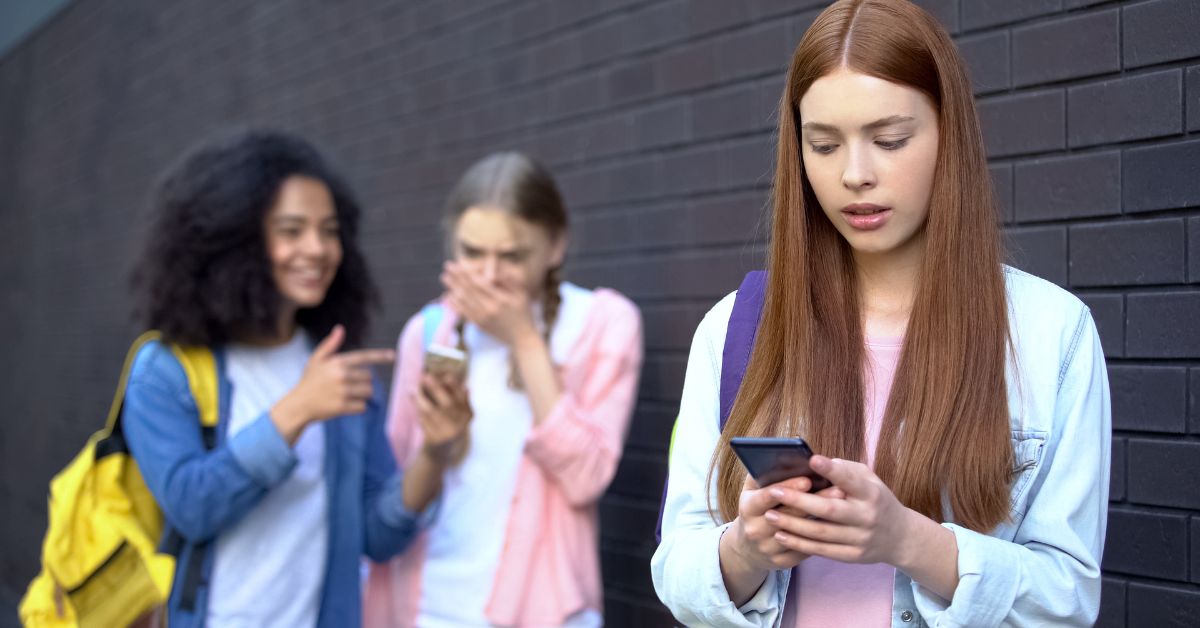
Australia has made a bold and overdue decision: banning social media access for children under 16. The United States should follow its lead—and quickly. We are no longer debating hypotheticals. Years of empirical evidence now show what unrestricted social media access is doing to our children, and the results are devastating.
The Mental Health Crisis Among Children
Studies link heavy social media use to increased rates of depression, anxiety, self-harm, and suicidal ideation in children and adolescents. Research published in JAMA Pediatrics and The American Journal of Preventive Medicine shows a clear correlation between time spent on social platforms and higher levels of depressive symptoms. The U.S. Surgeon General even warned that social media poses a “profound risk of harm” to youth mental health.
Physical Health and Childhood Development
The damage is not only psychological. Increased screen time also contributes to childhood obesity, sleep disruption, and reduced physical activity. The CDC reports rising obesity rates alongside declining outdoor play and face-to-face socialization. Today’s childhood is increasingly sedentary, algorithm-driven, and isolating—conditions no generation of children was meant to endure.
Parenting in the Digital Age
Parenting has fundamentally changed. The dangers our parents warned us about once lived on playgrounds and street corners. Today, they live in our homes, hidden on tablets and phones, behind locked doors and encrypted apps. A child can be physically safe at home and still be exposed to predators, traffickers, and abusers from across the globe.
The Rise of Online Exploitation
One alarming consequence is the explosion of online sextortion. Children are groomed through social media and gaming platforms. They are coerced into sending intimate images and then extorted—sometimes for money, sometimes for more images, and in the worst cases, for acts of self-harm. Law enforcement has documented children being pressured to mutilate themselves or contemplate suicide. In some cases, abusers force victims to involve their siblings.
Groups like “764” exemplify the darkest corners of this ecosystem. These loosely organized online networks glorify exploitation, psychological torture, and violence against minors. Federal prosecutions and investigative reporting confirm how such groups use mainstream platforms to manipulate children and push them toward real-world harm.
Why Parents Alone Cannot Solve This Problem
We cannot rely on parental supervision alone. Parents face multinational corporations with trillion-dollar valuations, armies of behavioral scientists, and algorithms engineered to maximize engagement at all costs. Expecting families to out-parent this system is unrealistic and unfair.
Nor can we trust the companies profiting from children’s attention to protect them. These platforms are not neutral town squares; they are businesses. Their revenue depends on keeping users—especially young users—scrolling, clicking, and sharing. History shows that meaningful safety reforms only come after public pressure, regulation, or tragedy.
Australia Took Action—The U.S. Should Too
Australia recognized the risks and acted. The United States should do the same. A ban on social media for children under 16 will not solve every problem, but it will dramatically reduce exposure during the most vulnerable years of brain development. It will give families time. It will save lives.
Addressing Concerns About Parental Rights
Some may argue a ban infringes on parental rights or free expression. This misunderstands the issue. We already prevent children from buying cigarettes, gambling, or consuming alcohol because they cannot fully assess long-term risks. Social media is a product with proven health risks. A ban is a public health measure, not a parenting one.
The Time to Act Is Now
We are fortunate, in a grim way, to have empirical evidence showing the consequences of inaction. The only real question is not whether we should act—but why we did not do so sooner.
Joe Cunningham served as the U.S. Representative for South Carolina’s First Congressional District from 2019 to 2021. He is the founder and owner of Joe Cunningham Law, a personal injury firm that also represents clients in litigation against social media companies.