 843-633-3360
Hair Relaxer Lawsuit: What Women Need to Know About Cancer Claims Against L’Oréal and Revlon
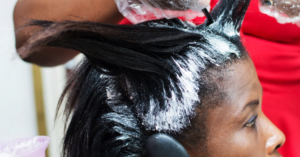
Hair Relaxer Lawsuit: What Women Need to Know About Cancer Claims Against L’Oréal and Revlon
For decades, millions of women — particularly Black women — used chemical hair relaxers as part of their regular hair care routines. These products were sold by household names like L’Oréal, Revlon, Soft Sheen-Carson, and Dark & Lovely. For many women, they were a trusted staple.
Now, groundbreaking research links those same products to serious cancers. Women across the country are filing hair relaxer lawsuits. They allege that manufacturers knew about the health risks and chose not to warn consumers.
If you used chemical hair relaxers and later developed uterine, endometrial, or ovarian cancer, you may have legal options. Joe Cunningham Law is reviewing hair relaxer cancer cases for women throughout Charleston and South Carolina.
What Is the Hair Relaxer Lawsuit?
The hair relaxer lawsuit is a mass tort action. Women who developed cancer after using chemical hair straighteners are filing claims against the companies that made these products.
The central allegation is straightforward: manufacturers like L’Oréal and Revlon put dangerous products on store shelves, failed to warn consumers about cancer risks, and profited for years while women suffered the consequences.
Federal courts consolidated these cases into multi-district litigation (MDL) in the Northern District of Illinois. Thousands of women have already filed claims. Legal experts expect the litigation to grow significantly as more women learn about the connection between hair relaxers and cancer.
The Science Behind the Claims
What Did the Research Find?
In October 2022, the National Institutes of Health (NIH) published a landmark study in the Journal of the National Cancer Institute. The study followed more than 33,000 women over an 11-year period.
The findings were significant. Women who frequently used chemical hair straighteners more than doubled their risk of developing uterine cancer compared to women who never used these products. Frequent use meant four or more applications per year.
Which Cancers Are Linked to Hair Relaxers?
Researchers connect chemical hair relaxers to three primary cancers:
Uterine Cancer The NIH study found the strongest link here. Women who frequently used hair relaxers faced more than double the risk of uterine cancer. Uterine cancer rates in the United States have been rising — and researchers believe chemical exposure may be a contributing factor.
Endometrial Cancer Endometrial cancer develops in the lining of the uterus. It is the most common form of uterine cancer. Studies indicate that the hormone-disrupting chemicals in hair relaxers may fuel endometrial tumor growth.
Ovarian Cancer Separate research connects chemical hair straightener use to elevated ovarian cancer risk. Ovarian cancer is particularly dangerous because it often goes undetected until it reaches an advanced stage.
What Chemicals Are the Problem?
Chemical hair relaxers contain a range of potentially harmful substances. Researchers have identified several of particular concern:
- Parabens — synthetic preservatives that mimic estrogen in the body
- Phthalates — plasticizing chemicals linked to hormonal disruption
- Formaldehyde — a known carcinogen released during the straightening process
- Bisphenol A (BPA) — an endocrine disruptor associated with hormone-sensitive cancers
- Cyclosiloxanes — chemicals that may interfere with the endocrine system
These substances are endocrine disruptors. They interfere with the body’s natural hormone function. Because uterine, endometrial, and ovarian cancers are hormone-sensitive, researchers believe this disruption drives cancer development.
Scalp application makes exposure more serious. The scalp absorbs chemicals more readily than most skin. Heat and existing micro-abrasions from the relaxer process accelerate absorption further.
Which Companies Face Hair Relaxer Lawsuits?
Several major manufacturers face claims in the hair relaxer litigation. These include:
- L’Oréal — maker of Dark & Lovely, Soft Sheen-Carson, and Optimum brands
- Revlon — maker of Crème of Nature and other relaxer lines
- Strength of Nature — maker of African Pride and Motions
- Dabur International — maker of ORS Olive Oil relaxers
- Namaste Laboratories — maker of Organic Root Stimulator (ORS)
Plaintiffs allege these companies knew or should have known about the cancer risks their products posed. They argue the companies had a duty to warn consumers and failed to act.
Who Is Most at Risk?
The Disproportionate Impact on Black Women
Research consistently shows that Black women use chemical hair relaxers at significantly higher rates than other groups. Many begin using these products in childhood. Some use them monthly for years or even decades.
This means Black women face a disproportionate cancer risk from hair relaxer exposure. The hair relaxer lawsuit is not just a legal matter — it reflects a deeper public health concern about product safety and racial equity in consumer protection.
Long-Term and Heavy Users
The NIH study focused on frequent, long-term users. Women who used relaxers regularly over many years carry the highest documented risk. However, researchers have not established a “safe” level of use. Any woman who used chemical hair relaxers and later developed a hormone-sensitive cancer should speak with an attorney.
Do You Qualify for a Hair Relaxer Lawsuit?
Key Eligibility Criteria
You may have a valid claim if you meet all of the following:
- You used chemical hair relaxers, hair straighteners, or texturizers
- You used them regularly — typically for several years
- You received a diagnosis of uterine cancer, endometrial cancer, or ovarian cancer
- Your diagnosis came after a period of regular product use
Brand does not always matter. If you used any chemical relaxer product — even a store brand — you may still qualify. Contact Joe Cunningham Law to discuss the specifics of your situation.
What If You Are Unsure Which Brand You Used?
Many women used multiple brands over the years. You do not need to remember every product. Our legal team works with clients to reconstruct their product history using receipts, photographs, medical records, and other documentation. Do not let uncertainty stop you from reaching out.
What Compensation May Be Available?
Women who file hair relaxer lawsuits may recover damages for:
- Medical expenses — past and future cancer treatment costs
- Lost income and reduced earning capacity
- Pain and suffering
- Emotional distress
- Loss of enjoyment of life
- Wrongful death damages for family members who lost a loved one
Mass tort litigation involving large corporations can result in substantial settlements. However, every case is different. The value of your claim depends on your specific diagnosis, treatment history, and how the litigation develops.
What Is the Status of the Hair Relaxer MDL?
How MDL Works
Multi-district litigation consolidates similar cases before a single federal judge. This process streamlines pretrial proceedings and discovery. Each plaintiff still maintains her own individual claim. A consolidated MDL does not mean everyone receives the same outcome.
Where Things Stand
The hair relaxer MDL is active and growing in the Northern District of Illinois. Judges are overseeing pretrial proceedings, including discovery and expert witness testimony. Bellwether trials — early test cases — will help shape the direction of broader settlement negotiations.
Why Filing Sooner Matters
Every state sets its own statute of limitations for personal injury claims. South Carolina’s deadline is generally three years from the date of injury or diagnosis. Missing that deadline can permanently end your right to recover. Filing earlier also gives your attorney more time to gather evidence and build a strong case.
Why Choose Joe Cunningham Law for Your Hair Relaxer Claim?
Joe Cunningham Law is a Charleston-based personal injury firm. We fight for South Carolina families against corporations that put profits ahead of people.
We Know Mass Tort Litigation We understand how complex pharmaceutical and product liability cases work. We know how to investigate, build, and advance claims in active MDL proceedings.
We Work on Contingency You pay nothing to hire us. We collect a fee only when we recover compensation for you. There is no financial risk in reaching out.
We Are Local We serve clients in Charleston, Mount Pleasant, Summerville, North Charleston, and throughout South Carolina. When you call us, you talk to our team — not an out-of-state call center.
We Offer Free Consultations Every case review is free and confidential. You can ask questions, share your story, and understand your options with no obligation.
Frequently Asked Questions About Hair Relaxer Lawsuits
How do I know if my cancer is connected to hair relaxer use? You do not need to prove the connection before contacting us. If you used chemical hair relaxers regularly and later received a diagnosis of uterine, endometrial, or ovarian cancer, you may have a claim. Our team works with medical experts to evaluate the link between your product use and your diagnosis.
How long do I have to file a hair relaxer lawsuit in South Carolina? South Carolina generally gives personal injury claimants three years to file from the date of diagnosis or discovery of the connection between the product and the injury. Do not wait — contact Joe Cunningham Law now to protect your deadline.
Can I file a claim if I do not know which brand I used? Yes. Many women used multiple brands over the years. Our legal team helps reconstruct your product history. Brand uncertainty alone does not disqualify you.
Do I have to go to court? Most mass tort cases resolve through settlement before trial. However, we prepare every case as if it will go to court. This approach strengthens your position throughout the process.
What if a family member died from uterine, endometrial, or ovarian cancer after using hair relaxers? Surviving family members may have a wrongful death claim. Contact us to discuss your situation and whether a claim is available.
Is there any cost to speak with Joe Cunningham Law? No. Your consultation is completely free and confidential. We handle all hair relaxer cases on a contingency fee basis — no fees unless we recover for you.
Take Action Today
Hair relaxer manufacturers spent decades selling products they knew could cause serious harm. Women who trusted these brands deserve answers — and they deserve justice.
Joe Cunningham Law is reviewing hair relaxer cancer cases for women throughout South Carolina right now. If you or a loved one developed uterine, endometrial, or ovarian cancer after using chemical hair relaxers, contact our office today.
📞 Call: (843) 633-3360 📍 Joe Cunningham Law — Charleston, SC Free Consultation. No Fee Unless We Win.
Attorney Advertising. The information in this blog post is for general informational purposes only and does not constitute legal advice. Results vary based on the specific facts of each case. No attorney-client relationship is formed by reading this post. Joe Cunningham Law serves clients throughout South Carolina.