 843-633-3360
Bus Accident Attorney Near Me
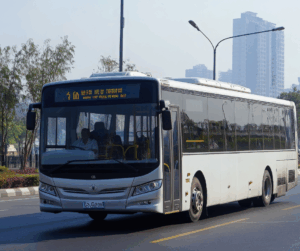
Charleston’s charm draws millions of visitors every year, and buses are a vital part of the city’s daily rhythm. From CARTA mass transit routes to motor coaches connecting Charleston with nearby cities, and even the tour buses that wind through the historic district, buses move thousands of people each day. But when a bus accident occurs, the results can be devastating. Unlike smaller vehicles, buses carry dozens of passengers at once, and crashes can cause widespread injuries, property damage, and long-lasting trauma.
If you are searching for a bus accident attorney near you in Charleston, SC, Joe Cunningham Law is here to help. Joe Cunningham, a former Congressman in South Carolina practicing personal injury law today, built his career on serving people and standing up to powerful institutions.
Our firm is dedicated to protecting bus accident victims through compassionate guidance and aggressive legal advocacy. It doesn’t matter if you’re a tourist, a commuter, or the family member of an accident victim—we’re on your side.
The Unique Risks of Bus Accidents
Bus accidents are not like ordinary car wrecks. Buses are larger, heavier, and more challenging to maneuver, which makes collisions especially dangerous. Passengers are often seated without seatbelts, standing in aisles, or carrying luggage, all of which increases the risk of serious injury when a crash happens.
Some of the most common types of buses involved in accidents in Charleston include:
- Mass Transit Buses: CARTA serves Charleston and surrounding communities, but crowded buses and frequent stops create conditions where crashes and passenger injuries are more likely.
- Intercity Coaches: Greyhound and other motor coach services connect Charleston with Columbia, Savannah, and beyond. Long-distance travel means high speeds on highways, where collisions can be catastrophic.
- Tour Buses: With millions of visitors exploring Charleston’s historic streets and plantations, tour buses are everywhere. Maneuvering through narrow streets and heavy traffic can lead to crashes or rollovers.
- School Buses: Though designed with safety in mind, school buses are not immune to accidents caused by negligent drivers, poor maintenance, or hazardous road conditions.
Common Causes of Bus Accidents
Bus crashes rarely happen by chance. They are usually the result of preventable mistakes, oversights, or failures that put dozens of lives at risk. Because buses are larger and more difficult to control than smaller vehicles, even minor errors can have catastrophic consequences. Accidents often stem from a combination of human error, mechanical problems, and unsafe operating conditions.
Bus Driver Fatigue
Bus drivers often work long shifts, sometimes overnight or early in the morning, especially when operating intercity coaches or tour buses. Fatigue dulls reaction times, slows decision-making, and impairs judgment in ways similar to alcohol. A tired bus driver navigating Charleston’s crowded downtown streets or high-speed highways can easily cause a devastating crash.
Distracted Driving
Operating a bus requires constant focus, but distractions are everywhere. Drivers may be tempted to check a phone, adjust a radio, or address passenger issues while driving. Even a few seconds of lost attention can cause a driver to miss a stoplight, fail to notice a pedestrian, or swerve into another lane. With dozens of passengers on board, the consequences of distracted driving are magnified.
Poor Training
Driving a bus is not the same as driving a car. These large vehicles have a wide turning radius, heavy blind spots, and extended stopping distances. Drivers who are not properly trained in handling such vehicles may make errors in judgment, such as misjudging a turn onto a narrow Charleston street or failing to stop in time in heavy traffic on I-26. Inadequate training programs put everyone on the road in danger.
Mechanical Failures
Like all vehicles, buses rely on complex mechanical systems to operate safely and efficiently. Problems such as worn brakes, faulty steering systems, defective tires, or engine malfunctions can lead to catastrophic accidents. When a bus suffers a mechanical failure at highway speeds, passengers and other motorists have little chance to avoid injury. Manufacturers may also share liability if defective parts contribute to a crash.
Negligent Maintenance
Bus companies and transit authorities are legally responsible for performing regular inspections and timely repairs. However, maintenance can be costly, and some operators cut corners to save money. Skipping routine brake checks, failing to replace worn tires, or ignoring warning lights can turn a manageable issue into a deadly crash. Victims of these accidents often face severe injuries that could have been prevented with proper upkeep.
Hazardous Roads
Charleston’s infrastructure presents unique challenges for bus drivers. Historic downtown streets are narrow and crowded, with pedestrians and cyclists sharing the road. High-traffic highways, such as I-26 and US-17, create congestion and pose high-speed risks. Poor weather, construction zones, and inadequate signage further increase the dangers. Even skilled drivers struggle under these conditions, and when combined with negligence or poor planning, accidents are far more likely.
How Our Law Firm Considers These Factors
In each of these situations, negligence is a critical factor, whether it’s negligence by the bus driver, the bus company, or a government entity in Charleston.
Our bus accident attorney near you will investigate every possible cause, reviewing driver logs, maintenance records, and roadway conditions to determine who is at fault. By uncovering the root causes, Joe Cunninham Law pursues justice for victims while holding negligent operators accountable, reducing the risk of future tragedies.
Types of Injuries in Bus Accidents
Because buses often lack many of the safety features found in passenger cars, injuries can be severe. Victims may suffer:
- Broken bones and fractures
- Traumatic brain injuries (TBIs)
- Spinal cord injuries, including paralysis
- Lacerations and burns
- Internal bleeding or organ damage
- Psychological trauma from the crash
Passengers are not the only ones at risk. Pedestrians, cyclists, and occupants of smaller vehicles struck by buses often suffer catastrophic harm due to the sheer size and weight of these vehicles.
Determining Liability in a Bus Accident
One of the most significant challenges in bus accident cases is determining who is legally responsible. Unlike typical car accidents, where one driver is usually at fault, bus accidents often involve multiple parties whose negligence contributed to the crash. Untangling liability requires a thorough investigation into every possible factor.
Bus Drivers
The most direct source of liability often rests with the driver. A bus driver who was speeding, distracted, under the influence, or failing to follow traffic laws can be held accountable for injuries that result. In some cases, a driver may also face scrutiny for failing to follow company policies, such as mandatory rest breaks or safe operating procedures.
Bus Companies or Transit Authorities
Employers bear responsibility for hiring qualified drivers, providing them with proper training, and ensuring that their vehicles are regularly inspected. If a bus company knowingly hires an unqualified operator, pressures drivers to exceed safe hours, or ignores safety regulations, it can share liability for any resulting accident. Public transit authorities, such as CARTA in Charleston, may also face claims if poor oversight or management practices contributed to the crash.
Manufacturers
Mechanical defects are another potential cause. If a defective brake system, tire, or steering component contributed to the accident, the manufacturer or distributor may be liable under product liability laws. These cases often involve complex technical evidence and expert testimony.
Government Entities
Local or state governments may be held responsible if hazardous road conditions, poor signage, or inadequate traffic control measures contributed to the incident. Claims against government entities follow specific rules and strict deadlines, making it essential to involve an attorney early.
Our skilled bus accident lawyers in Charleston will investigate all angles, reviewing driver records, maintenance logs, company safety procedures, and roadway conditions to identify every party responsible. This comprehensive approach maximizes the chances of securing full and fair compensation for victims.
Legal Options for Bus Accident Victims
Bus accident claims are complicated because they often involve large corporations or government agencies. Victims may pursue compensation through:
- Personal Injury Lawsuits: To recover damages for medical expenses, lost wages, and pain and suffering.
- Wrongful Death Claims: When families lose a loved one in a fatal crash.
- Claims Against Government Entities: For accidents involving CARTA or other publicly operated buses. These cases require strict compliance with notice and filing deadlines.
At Joe Cunningham Law, our bus accident lawyers know how to navigate these complicated claims, stand up to powerful insurers, and fight for the justice victims deserve.
The Lasting Impact of Bus Accidents
For many victims, a bus accident is not just a single event but the start of a lifetime of challenges. Recovery often involves:
- Extensive Medical Care: From emergency treatment to surgeries, rehabilitation, and long-term therapy.
- Lost Income: Many victims cannot return to work right away, if ever.
- Psychological Trauma: Anxiety, PTSD, and fear of traveling are common after serious crashes.
- Family Burden: Loved ones may take on caregiving roles, facing financial and emotional strain.
Because of these long-term consequences, it is critical to have a Charleston bus accident attorney who understands the full scope of your losses and will demand compensation that truly reflects your needs.
South Carolina’s Statute of Limitations for Bus Accidents
Bus accident victims in South Carolina must act quickly. Under S.C. Code § 15-3-530(5), you generally have three years from the date of the accident to file a personal injury claim. If the bus is operated by a government entity, such as CARTA, special notice requirements and shorter deadlines may apply. Delaying your claim can mean losing the right to compensation, so it is essential to consult with a Charleston bus accident lawyer as soon as possible.
How Joe Cunningham Law Can Help
At Joe Cunningham Law, we bring both strength and compassion to every case. Joe’s background as a U.S. Congressman taught him the importance of accessibility and advocacy. Our team knows how insurance companies and corporate legal teams operate—and we push back hard to protect victims’ rights.
When you hire our firm, we will:
- Investigate the crash, gathering driver records, maintenance logs, and eyewitness accounts
- Work with accident reconstruction specialists and medical experts to prove the extent of your injuries
- Negotiate with insurers and corporate defense teams for maximum compensation
- Take your case to trial if necessary, ensuring your voice is heard in the courtroom
We also pride ourselves on being accessible to our clients, keeping you informed and supported at every step of the process.
Why Choose a Local Charleston Bus Accident Attorney?
Bus accident cases require a lawyer who understands both state law and the local community’s specific needs. Charleston’s roads, transit systems, and tourist traffic create unique risks that an out-of-town attorney might overlook. By working with a local bus accident lawyer in Charleston, you benefit from:
- Knowledge of Charleston’s roads, intersections, and traffic patterns
- Familiarity with CARTA and local tour operators
- Relationships with local courts, judges, and experts
- A personal commitment to serving the Charleston community
Frequently Asked Questions About Bus Accident Cases
What should I do immediately after a bus accident?
Seek medical attention right away, even if injuries are not obvious. Document the scene if possible, get witness contact information, and avoid speaking with insurance representatives before consulting an attorney.
Who pays for my medical bills after a bus crash?
Depending on the circumstances, compensation may come from the bus company, a government transit authority, or an insurance policy. An attorney will determine who is liable and pursue claims on your behalf.
Can I sue CARTA if I was injured on a Charleston bus?
Yes, but claims against government entities are subject to strict rules and deadlines. A Charleston bus accident lawyer can ensure you comply with the requirements.
What if I was a pedestrian hit by a bus?
Pedestrians have the same right to compensation as passengers. These cases often involve catastrophic injuries, and pursuing maximum damages is critical.
How long will my bus accident case take?
Every case is different. Some claims resolve in a matter of months, while others may take longer if litigation is necessary. At Joe Cunningham Law, our bus accident attorneys prepare every case for trial to give you the strongest leverage in negotiations.
Contact an Experienced Charleston Bus Accident Attorney Near You
Bus accidents can turn a routine commute, sightseeing tour, or school trip into a life-changing tragedy. Victims often face painful injuries, financial strain, and emotional trauma, but they do not have to face this alone. To schedule your free consultation with a skilled bus accident attorney near you, contact our Charleston law office online. You can also reach Joe Cunningham Law by phone at (843) 633-3360.