 843-633-3360
Ozempic Lawyer Charleston South Carolina
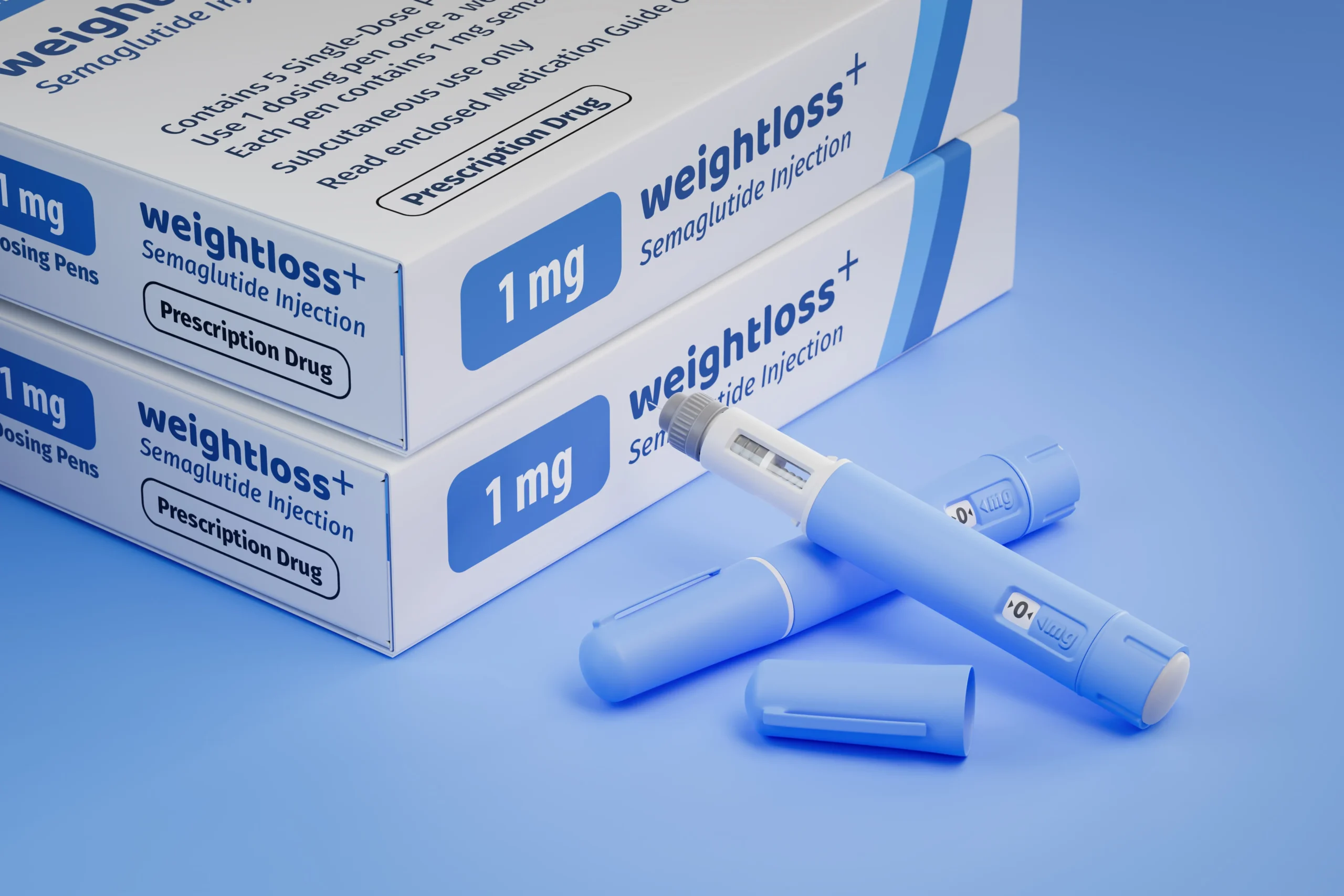
Ozempic and similar weight loss drugs are extremely popular. Many people struggling with obesity or diabetes have experienced success on these medications with only mild side effects. Other patients have developed serious complications even though they followed their doctors’ orders and took the drugs as directed.
While serving in Congress, Joe Cunningham fought to hold pharmaceutical companies accountable for harming people throughout the Lowcountry. As an attorney, he continues to focus on the needs of people who’ve been wronged by the pharmaceutical industry. To discuss your case with our Ozempic lawyer Charleston South Carolina law firm, contact Joe Cunningham Law today.
Where the Ozempic Litigation Stands Today
The legal landscape around Ozempic and other GLP-1 drugs has changed significantly. As of March 2026, more than 3,363 lawsuits are pending in the federal multidistrict litigation (MDL No. 3094 — In Re: GLP-1 Receptor Agonists Products Liability Litigation) in the Eastern District of Pennsylvania, overseen by Judge Karen Spencer Marston. A separate MDL was also established in December 2025 specifically for patients who experienced vision loss (NAION) after taking a GLP-1 drug, with dozens of cases already filed and more expected.
Bellwether trials — test cases used to gauge how juries respond — are currently scheduled for late 2026 and early 2027. No settlements have been confirmed yet, but legal analysts project compensation ranging from $100,000 to over $2 million depending on the severity of the injury and the strength of the evidence. If you or someone you love has been harmed by Ozempic or another GLP-1 drug, now is the time to act.
What Is Ozempic?
Ozempic is the brand name of a semaglutide manufactured by Novo Nordisk. It is used to manage type 2 diabetes by regulating a person’s appetite and blood sugar. Ozempic is a glucagon-like peptide-1 receptor agonist (or GLP-1) that essentially helps people feel full for a longer amount of time.
Even though Ozempic was originally designed to manage type 2 diabetes, patients reported weight loss benefits, which led to the development of other GLP-1s specifically for the purpose of losing weight.
According to a report by the South Carolina Daily Gazette, Medicaid spending on GLP-1 drugs like Ozempic increased from $597.3 million in 2019 to $3.9 billion in 2023. A 2024 health tracking poll from KFF found that 1 in 8 American adults had tried a GLP-1 drug like Ozempic.
Weight Loss Drugs That Are Similar to Ozempic
Ozempic is the most popular GLP-1 on the market based on brand name recognition, but it’s not the only weight loss drug available today. These are other weight loss medications from Novo Nordisk that are similar to Ozempic that are used to treat diabetes and combat obesity:
- Rybelsus (semaglutide)
- Saxenda (liraglutide)
- Victoza (liraglutide)
- Wegovy (semaglutide)
It’s also important to note that Novo Nordisk is not the only maker of weight loss drugs. Eli Lilly and Company also makes popular weight loss medications that work much like Ozempic and the other GLP-1s above:
- Mounjaro (tirzepatide)
- Trulicity (dulaglutide)
- Zepbound (tirzepatide)
Is Ozempic Safe?
For many patients, Ozempic and other GLP-1s are an effective way to manage diabetes and lose weight.
However, there are a number of patients who experience severe and adverse side effects from Ozempic that seriously affect their quality of life. For some of these patients, their Ozempic complications are potentially life-threatening, require emergency medical care, and may have long-term health impacts.
What Are the Health Problems Associated with Ozempic?
Some of the most serious health problems associated with Ozempic use include:
- Frequent and prolonged vomiting for more than two weeks
- Stomach paralysis (gastroparesis)
- Intestinal blockage (ileus)
- Bowel obstruction
- Pancreatitis
- Kidney damage
- Thyroid cancer
We will explore these Ozempic complications in more detail below. If you were diagnosed with any of these health problems after taking a GLP-1 drug, our Ozempic lawyer in Charleston, South Carolina can help you seek compensation for its effects on your life.
The Dangers of Compounded and Counterfeit Ozempic
In addition to the health issues caused by GLP-1 drugs from Novo Nordisk and Eli Lilly and Company, there is also the danger associated with weight loss drugs from unscrupulous sources.
South Carolina Attorney General Alan Wilson issued a consumer alert on unapproved and compounded weight loss drugs. Makers of these unapproved tirzepatides and semaglutides are trying to cash in on the demand of these weight loss medications by peddling potentially dangerous substances.
These unapproved tirzepatides and semaglutides are typically sold by compounding pharmacies, med spas, online retailers, and people on social media trying to take advantage of others.
The FDA has also issued warnings about counterfeit Ozempic in the supply chain. Patients and pharmacies should be aware that counterfeit products have been identified — if you received Ozempic labeled with lot number PAR1229, the FDA and Novo Nordisk advise you not to take it. If you received a counterfeit product and were harmed, you may still have legal options. Contact our office to discuss your situation.
Do I Have a Case Against Weight Loss Drug Companies?
If you took Ozempic or any GLP-1 drug as directed and developed serious health problems, you may have a claim against Novo Nordisk or Eli Lilly and Company. These legal claims focus on the failure of these drug companies to warn consumers and doctors about the severity of these adverse health risks.
Attorney Joe Cunningham can help you file a product liability lawsuit against these pharmaceutical companies if you were seriously harmed. He is not afraid to take on the makers of Ozempic or any GLP-1 drug. Joe and his team believe in doing what’s right for people in South Carolina who are just trying to lead healthier lives.
Contact Our Ozempic Lawyer in Charleston, South Carolina
If you’ve taken Ozempic or other GLP-1 drugs and have experienced a serious health issue, attorney Joe Cunningham and his team can help. During a free consultation, we can discuss your severe side effects and if you have a case. To speak with an experienced South Carolina Ozempic lawyer near you, contact our Charleston law office today.
Frequent and Prolonged Vomiting from Ozempic Use
Vomiting and nausea are common side effects from regular Ozempic use. By frequent and prolonged vomiting, we mean that a patient will vomit several times a day for two weeks or more.
This is not just uncomfortable, it can lead to a number of issues that affect overall quality of life, including dehydration, malnutrition, and injuries to the esophagus. In addition, frequent vomiting can also cause acidic weakening of the tooth enamel and eventual tooth loss.
Keep in mind that prolonged vomiting could be a symptom of a more severe health problem related to Ozempic use.
In January 2025, the FDA added a new warning to Ozempic’s label specifically for severe gastrointestinal adverse reactions. If you experienced prolonged vomiting after starting a GLP-1 drug, this warning — which came after many patients were already harmed — may be central to your legal claim.
Stomach Paralysis (Gastroparesis) from Ozempic Use
Stomach paralysis means that the nerves and the muscles of the stomach no longer push food into the small intestine to continue the digestive process. Food remains in the stomach, which may prevent a person from eating and drinking since they still feel full.
Common signs and symptoms of stomach paralysis include:
- Nausea
- Vomiting
- Dehydration
- Loss of appetite
- Stomach/upper abdominal pain
- Abdominal bloating
- Constipation
Gastroparesis is the most common injury cited in the current federal litigation — according to court documents from a January 2026 hearing, 75% of active lawsuits in the GLP-1 MDL list stomach paralysis as a claimed injury. There is currently no cure for gastroparesis.
Intestinal Blockage (Paralytic Ileus) from Ozempic Use
In addition to affecting the function of the stomach, some Ozempic patients have also reported issues with intestinal function. Paralytic ileus is a type of intestinal blockage caused by the muscles of intestines failing to push food through the digestive tract. If not treated, intestinal blockage could be fatal.
Common signs and symptoms of intestinal blockage include:
- Nausea
- Vomiting
- Dehydration
- Abdominal bloating
- Gas
- Constipation
- Fatigue
Ileus accounts for approximately 18% of active claims in the current federal MDL. In September 2023, the FDA added a specific warning for ileus to the Ozempic label — but for patients harmed before that update, the failure to warn sooner may be the basis of a valid legal claim.
Bowel Obstruction from Ozempic Use
A bowel obstruction is a blockage of the lower intestine or colon. As with obstructions of the small intestine, this adverse Ozempic complication needs to be taken extremely seriously. If not treated, bowel obstruction could be fatal.
Common signs and symptoms of bowel obstruction include:
- Nausea
- Vomiting
- Dehydration
- Abdominal bloating
- Difficulty passing gas
- Constipation
- Fatigue
Gallbladder Disease from Ozempic Use
Some people who’ve taken Ozempic have developed issues with their gallbladder. These gallbladder problems include:
- Gallstones (Cholelithiasis) – This refers to the hardening of bile in the gallbladder.
- Gallbladder Inflammation (Cholecystitis) – This refers to the inflammation of the gallbladder, often linked to gallstones.
Common signs and symptoms of these gallbladder problems include fever, upper abdominal pain, yellowing of the skin or eyes (jaundice), and clay-colored bowel movements.
The official safety information for Ozempic does acknowledge a potential risk of gallbladder issues from the use of the diabetes drug. Gallbladder complications currently make up approximately 8% of the active claims in the GLP-1 federal MDL. A more recent study found a disproportionate number of acute kidney injuries linked specifically to Ozempic and Wegovy compared to other GLP-1 drugs — a finding that may strengthen claims for patients who developed kidney complications while on semaglutide-based medications.
Pancreatitis from Ozempic Use
Pancreatitis is the inflammation of the pancreas. This could occur on its own or as a result of gallstones, and can affect the proper function of your pancreas. Common signs and symptoms of pancreatitis include:
- Nausea
- Vomiting
- Upper abdominal pain
- Upset stomach
- Fever
The official safety information for Ozempic does acknowledge a potential risk of pancreatitis from the use of the diabetes drug.
Potential Kidney Damage from Ozempic Use
Though some studies have found that Ozempic can improve kidney function in some patients, there are also patients who have experienced kidney damage after taking a GLP-1. In extreme cases, these patients suffer from acute kidney injury (AKI) or even kidney failure.
The official safety information for Ozempic does acknowledge a potential risk of kidney problems from the use of the diabetes drug.
Thyroid Cancer from Ozempic Use
Novo Nordisk’s own clinical trials found that Ozempic and similar GLP-1 drugs could cause thyroid tumors and thyroid cancer in rodents.
The official safety information for Ozempic does acknowledge a potential risk of thyroid cancer and thyroid tumors from the use of the diabetes drug. It also advises potential patients with a family history of medullary thyroid cancer (MTC) or multiple endocrine neoplasia syndrome type 2 (MEN2) to avoid taking Ozempic and similar GLP-1 medications.
Vision Loss (NAION) from Ozempic Use
One of the most serious emerging concerns in Ozempic litigation is the potential link between GLP-1 drugs and a rare form of eye stroke called non-arteritic anterior ischemic optic neuropathy, or NAION. NAION can cause sudden, permanent vision loss in one or both eyes — and there is no cure.
Multiple studies have raised alarms. A 2024 study published in JAMA Ophthalmology found that people with type 2 diabetes who took semaglutide had more than four times the risk of developing NAION compared to those not on a GLP-1. People who took semaglutide specifically for weight loss had more than seven times the risk. A separate study involving more than 400,000 patients in the Netherlands found similar results.
In June 2025, the World Health Organization warned that semaglutide drugs — including Ozempic, Wegovy, and Rybelsus — may rarely cause NAION. European regulators added NAION to the Ozempic label that same month. As of early 2026, the FDA has not yet required a similar label update in the United States.
In December 2025, a new federal MDL was created specifically for GLP-1 vision loss lawsuits (MDL No. 3163). Dozens of cases are already pending, with more being filed each month. If you experienced sudden vision changes or were diagnosed with NAION after taking Ozempic or another GLP-1 drug, contact Joe Cunningham Law to discuss your case.
Legal Damages in an Ozempic Complication Lawsuit
During your legal claim for GLP-1 health problems, our Ozempic lawyer in Charleston, South Carolina will help identify all of the financial losses associated with taking the semaglutide.
Medical Treatment for Your Condition
Problems affecting the gastrointestinal tract, your pancreas, and other parts of your body could require emergency surgery and other urgent medical treatments. Our attorney will make sure all of your hospitalizations and doctor visits are considered when seeking compensation.
Long-Term Recovery and Ongoing Health Needs
Making a full recovery from a serious Ozempic-related illness can take time. It could be months or more before you are back to good health. As you continue to undergo treatment for your Ozempic-related health problems, Joe Cunningham Law will note the cost of your ongoing medical care and can even estimate future health expenses.
Lost Wages from Your Illness
You may have needed to take time off from your job just to rest and recuperate. Our attorney can help you get compensated for lost income due to serious Ozempic side effects. In addition, our attorney can also identify changes in your earning potential if your Ozempic-related medical issue caused lasting changes to your overall wellness that affect your ability to earn a living.
Changes in Your Quality of Life
In addition to changes in the way you earn a living, treating your medical emergency could lead to major changes in your quality of life. For example, if an intestinal blockage or bowel obstruction from Ozempic required removal of part of your intestine, you may wind up needing an ostomy bag. If vision loss from NAION has affected your ability to drive, work, or care for yourself or your family, that too is compensable. Our team can identify these sorts of issues and their impact on how you live your life.
Pain and Suffering
There’s more to your injuries than just the economic damages. The team at Joe Cunningham Law can identify noneconomic damages linked to your use of a GLP-1. Our Ozempic attorney can point out your pain and suffering caused by your severe side effects.
How Joe Cunningham Law Can Help with Ozempic Injury Claims
Joe Cunningham and his team are ready to help patients all over South Carolina following a serious medical problem related to the use of Ozempic and other weight loss drugs.
- A People-First Approach to Law – During his time in the U.S. House of Representatives, Joe Cunningham took a people-first approach to solving problems. As your attorney in a GLP-1 case, he will take the same kind of approach, centering your needs and the needs of your household.
- Free Legal Consultations – If you’re recovering from a health problem, you have medical bills to pay and other expenses on your mind. Joe and his team offer free case reviews so you don’t have to worry about additional costs just to speak with a qualified lawyer about what happened.
- Representation on a Contingency Fee Basis – Joe Cunningham Law takes cases on a contingency fee basis. That means we only get paid if we can negotiate a settlement or win damages in a jury trial. If we don’t win, you don’t have to pay. This is just one of our ways of putting people first.
Contact Our Ozempic Lawyer Charleston South Carolina Law Firm
If you or someone you care about developed a medical complication from taking a GLP-1 drug, Joe Cunningham Law can help. We are not afraid to take on pharmaceutical companies when they fail to warn patients about severe and potentially fatal side effects. With thousands of lawsuits now pending in federal court and bellwether trials approaching, the window to get your claim on record is important to be aware of. Don’t wait. For a free consultation with an experienced South Carolina Ozempic lawyer near you, contact our Charleston law office today.