 843-633-3360
What to Do After a Boating Accident in South Carolina
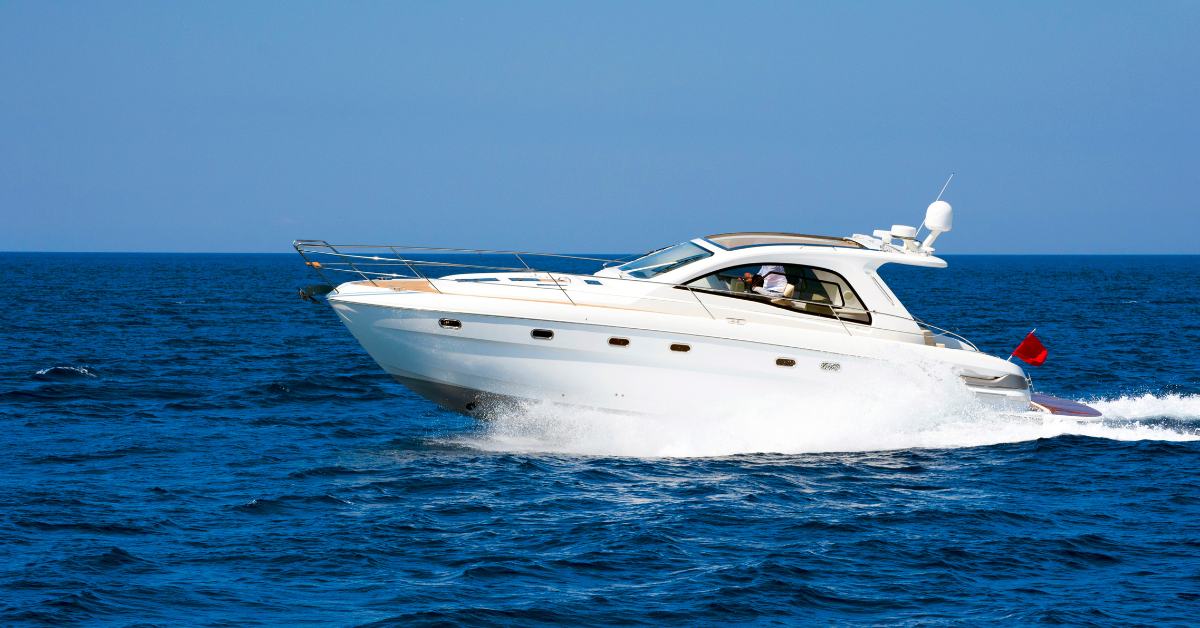
Boating and water recreation are cornerstones of life in Charleston, South Carolina. From peaceful afternoons on the Intracoastal Waterway to weekends with family and friends exploring local waterways, boating offers unforgettable experiences. But when a boating accident happens, your world can change in an instant — especially if someone is injured.
At Joe Cunningham Law, we help victims and families understand what to do after a boating accident so they can protect their health, their rights, and their future. Below is a comprehensive, step-by-step guide designed for anyone involved in a boating accident in South Carolina.
1. Ensure Immediate Safety — Your First Priority
Safety comes first. The moments after an accident are often chaotic, but acting to protect yourself and others is critical:
-
Stop the boat right away. Stay at the scene — failing to remain can result in legal trouble under South Carolina law.
-
Check for injuries and assist anyone in danger if you can safely do so.
-
Use personal flotation devices — make sure everyone stays afloat, especially in rough water.
Even if injuries aren’t obvious, internal injuries, concussions, or conditions like shock may not show symptoms immediately — and they can be life-threatening without prompt medical care.
2. Call for Help — Contact Emergency Services
Once you’ve stabilized the situation as best you can:
-
Dial 911 if there’s serious injury, significant property damage, or any life-threatening situation.
-
Alert the South Carolina Department of Natural Resources (SCDNR): South Carolina law requires that you report a boating accident immediately in many cases.
-
If the accident involves serious injury, death, disappearance, or over $2,000 in damage, you must report it right away.
-
-
In some cases, an official report may also go to the U.S. Coast Guard — particularly on coastal or federally controlled waters.
These official reports can become crucial evidence later if you pursue a personal injury claim.
3. Seek Medical Care — Even If You Don’t Think You’re Hurt
After dark or minor injuries are common in boat accidents — but here’s the truth:
Many serious injuries don’t show symptoms right away.
Internal bleeding, neck and spinal injuries, traumatic brain injuries, and soft-tissue damage often manifest hours or days later. Prompt medical evaluation:
-
Protects your health.
-
Creates documented medical records linking your injury to the accident — evidence used later in insurance claims or lawsuits.
If possible, go directly to a hospital or urgent care center. If emergency responders are on the scene, let them evaluate you immediately.
4. Report the Incident — Required by South Carolina Law
Under South Carolina boating laws, reporting is not optional in many circumstances. If the accident resulted in:
-
Injury or death
-
A missing person
-
Property or vessel damage over a certain threshold
You must file a report with the South Carolina Department of Natural Resources (SCDNR).
Injuries and deaths generally require reporting within 48 hours from the time of the accident.
If the damage is only to property, a longer reporting window may apply — but it’s still best to report right away to protect your rights and strengthen your claim.
5. Exchange Information — Protect Your Legal Interests
Just as with car accidents, you should exchange information with other involved parties:
-
Names and addresses
-
Contact information
-
Vessel identification numbers
-
Insurance information (if available)
Also, collect contact info from any witnesses. Eyewitnesses can make or break a case later.
But avoid one thing:
👉 Do NOT admit fault or apologize, even if you think the accident was your fault. Admissions can be used against you later in insurance negotiations or legal proceedings.
6. Document the Scene — Critical for Your Claim
If you can safely do so, document as much as possible:
-
Photos of the boats — damage, positions, and identification numbers
-
Injuries — visible cuts, bruises, swelling, bandages
-
Conditions — weather, lighting, water conditions
-
The scene — buoys, docks, markers, and any evident hazards
This documentation becomes valuable evidence when establishing liability — especially if the other party disputes fault.
7. Contact Joe Cunningham Law — Your Legal Advocate
Once you’re safe and seeking medical care, the next step is to contact an experienced personal injury attorney. Boating accidents involve complex legal issues that affect:
-
Liability and negligence
-
Insurance claims
-
Compensation for injuries and losses
-
Statutes of limitations for filing claims
Under South Carolina law, you generally have three years from the date of the accident to file a personal injury lawsuit. Missing this deadline can prevent you from recovering compensation.
At Joe Cunningham Law, we will:
-
Conduct an in-depth investigation into what caused your accident.
-
Identify every potentially responsible party — not just the boat operator.
-
Gather key evidence — from medical records to accident reports and photographs.
-
Handle communication with insurance adjusters on your behalf.
-
Evaluate the full extent of your losses — including future medical care, lost wages, and emotional harm.
We fight to make sure you receive the full and fair compensation you deserve.
8. Understand Liability — It’s Not Always Simple
In boating accident claims, determining who’s at fault can be complex. Potentially liable parties may include:
-
The boat operator
-
The vessel owner
-
A rental company
-
A manufacturer if mechanical failure was involved
Floating debris, engine failure, reckless behavior (like speeding or ignoring no-wake zones), or intoxicated operation may all contribute to liability.
South Carolina also follows a comparative negligence system. This means even if you were partially at fault, you may still recover compensation — reduced by your percentage of responsibility.
9. Know What Compensation You May Be Entitled To
If someone else’s negligence caused your boating accident injuries, you may be entitled to compensation for:
-
Medical bills (current and future)
-
Lost wages or loss of earning capacity
-
Pain and suffering
-
Emotional distress
-
Loss of quality of life
-
Property damage
-
Disability or disfigurement
A boating accident does more than cause physical injuries — it disrupts your life, finances, and peace of mind. A dedicated personal injury lawyer will help you consider all your losses.
10. Beware of Quick Insurance Settlements
After an accident, insurance companies often contact victims quickly to try to settle for as little as possible. They may:
-
Downplay your injuries
-
Push you to give recorded statements
-
Offer quick payouts before your full losses are known
Don’t sign anything or speak to insurers without your lawyer present. A seemingly generous offer can end up short-changing you — and once you accept it, you can’t go back.
Let Joe Cunningham Law handle negotiations so you can focus on healing and recovery.
11. Healing Happens One Step at a Time — We’re Here For You
A boating accident can be physically, emotionally, and financially overwhelming — but you don’t have to navigate the aftermath alone.
When you work with us, you get:
-
Compassionate legal support
-
Aggressive representation
-
Honest answers and clear guidance
-
A legal team committed to your recovery
Whether you’re still healing physically, worried about bills, or unsure what comes next — we’re here to listen and help.
12. Take Action — Don’t Wait
The sooner you have knowledgeable legal counsel on your side, the stronger your case will be. Evidence disappears quickly on the water. Witness memories fade. Insurance deadlines pass.
Contact Joe Cunningham Law today for a free consultation. There’s no obligation and no fee unless we win your case. Call us or reach out online — let us protect your rights while you focus on healing.
If you or a loved one has been injured in a boating accident in Charleston or elsewhere in South Carolina, Joe Cunningham Law stands ready to help you recover the justice and compensation you deserve.
📞 Call now — your future shouldn’t wait.