 843-633-3360
What to Do If Someone Is Blackmailing You With Photos in Charleston, SC
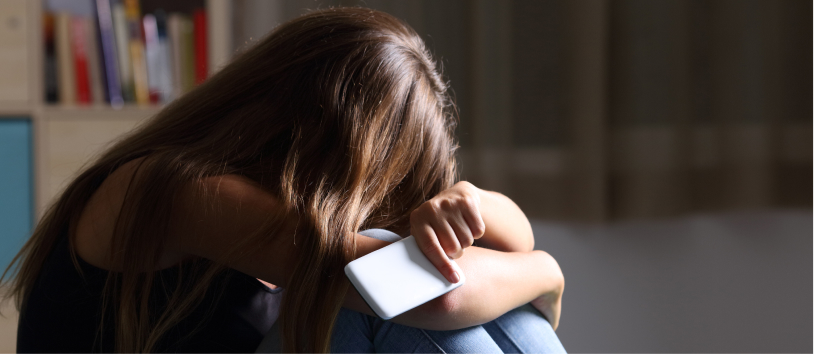
Being blackmailed with photos can be terrifying, overwhelming, and deeply personal. Whether the images are private, intimate, or taken without your consent, threats to expose them can cause severe emotional distress, damage to your reputation, and even financial loss.
If someone is blackmailing you with photos in Charleston or anywhere in South Carolina, you are not alone—and you do have legal options. At Joe Cunningham Law, we help victims protect their rights, stop harassment, and pursue justice against those who attempt to exploit or intimidate them.
This guide explains what blackmail is, what to do immediately, how South Carolina law applies, and when to contact an attorney.
Understanding Photo Blackmail and Sextortion
What Is Photo Blackmail?
Photo blackmail occurs when someone threatens to share private images unless you meet their demands. These demands may include:
-
Money or gift cards
-
More photos or videos
-
Sexual favors or continued communication
-
Silence or compliance with other requests
When the blackmail involves explicit images, it is often referred to as sextortion.
Who Commits Photo Blackmail?
Blackmailers may be:
-
A former partner or spouse
-
Someone you met online or through dating apps
-
A hacker or scammer who accessed your device or accounts
-
Someone who secretly recorded or saved images without consent
In many cases, victims know the person threatening them—but anonymous online blackmail is increasingly common.
Is Blackmail With Photos Illegal in South Carolina?
Yes. Blackmail and extortion are crimes under South Carolina law, and sharing intimate images without consent may also violate revenge porn laws.
Depending on the circumstances, the blackmailer could face charges related to:
-
Extortion or coercion
-
Harassment or stalking
-
Criminal sexual conduct
-
Invasion of privacy
-
Distribution of intimate images without consent
Even if the photos were originally shared willingly, using them as leverage to threaten or control you is illegal.
What to Do Immediately If Someone Is Blackmailing You
If you are being blackmailed with photos, your first steps matter. Acting quickly and carefully can help protect you and strengthen your legal options.
1. Do Not Give In to the Blackmailer
It is natural to want the threats to stop—but paying or complying rarely ends the blackmail. In many cases, it only leads to more demands.
Blackmailers often escalate once they know you are willing to comply.
2. Stop Communicating (After Preserving Evidence)
Avoid ongoing conversations or emotional responses. However, do not delete messages, emails, or images. These records may be critical evidence later.
3. Preserve All Evidence
Save and back up:
-
Text messages
-
Emails
-
Social media messages
-
Voicemails
-
Screenshots of threats
-
Usernames, phone numbers, or profiles
Store copies somewhere safe, such as cloud storage or an external drive.
4. Lock Down Your Digital Accounts
To prevent further access or threats:
-
Change passwords on email, social media, and cloud storage
-
Enable two-factor authentication
-
Review privacy settings
-
Scan devices for malware or spyware
If the blackmailer gained access through hacking, securing your accounts is essential.
Should You Report Photo Blackmail to the Police?
In many cases, yes. Blackmail and sextortion are crimes, and law enforcement may be able to:
-
Identify the perpetrator
-
Preserve digital evidence
-
Prevent the images from being shared
-
Refer the case for prosecution
If you are in Charleston or the Lowcountry, you can contact local law enforcement or the South Carolina Law Enforcement Division (SLED).
That said, many victims hesitate to report due to embarrassment or fear of exposure. Speaking with an attorney first can help you understand your options and feel more prepared.
Can You Take Legal Action Against a Blackmailer?
Yes. In addition to criminal charges, you may have civil legal options.
Depending on the situation, a civil case may allow you to seek:
-
Injunctions or restraining orders
-
Court orders to remove images
-
Compensation for emotional distress
-
Damages for reputational or financial harm
An experienced attorney can evaluate whether a civil lawsuit is appropriate in your case.
How Joe Cunningham Law Can Help
At Joe Cunningham Law, we understand how devastating blackmail can be—especially when it involves private photos. While best known as a Charleston personal injury law firm, our practice is grounded in protecting victims, holding wrongdoers accountable, and helping people regain control after harm.
We can help by:
-
Explaining your legal rights under South Carolina law
-
Advising you on how to document and preserve evidence
-
Coordinating with law enforcement when appropriate
-
Pursuing civil action to stop harassment and seek damages
-
Helping protect your privacy and reputation
Our approach is discreet, compassionate, and aggressive when necessary.
Emotional and Psychological Impact of Photo Blackmail
The harm caused by photo blackmail is not just legal—it is deeply personal.
Victims often experience:
-
Anxiety or panic attacks
-
Depression
-
Sleep disturbances
-
Fear of social or professional consequences
-
Loss of trust
These emotional injuries are real and valid. In some cases, they may even factor into legal claims for damages.
If you are struggling, consider reaching out to a trusted friend, counselor, or mental health professional in addition to seeking legal guidance.
What If the Photos Have Already Been Shared?
If the images have already been distributed, you still have options.
Steps may include:
-
Reporting the content to social media platforms for removal
-
Seeking court orders to force takedowns
-
Pursuing legal action against the person who shared them
-
Working with an attorney to limit further distribution
Many platforms have policies against non-consensual intimate images, and legal intervention can accelerate removal.
Frequently Asked Questions About Photo Blackmail
Can I Be Blackmailed Even If I Sent the Photos Voluntarily?
Yes. Consent to take or send a photo does not equal consent to use it as a threat or share it publicly.
What If the Blackmailer Is in Another State or Country?
Jurisdiction can be complex, but cross-border blackmail cases are common. Law enforcement and attorneys can still pursue action in many situations.
Will My Case Stay Confidential?
Attorneys are bound by confidentiality rules. At Joe Cunningham Law, we take privacy seriously and work to protect our clients’ identities whenever possible.
Why Acting Quickly Matters
The sooner you take action, the better your chances of:
-
Preventing photos from being shared
-
Preserving evidence
-
Identifying the blackmailer
-
Stopping ongoing harassment
Delays can make cases harder to prove and allow more harm to occur.
Speak With a Charleston Attorney You Can Trust
If someone is blackmailing you with photos, you do not have to face it alone. Legal help can make the difference between ongoing fear and taking back control.
Joe Cunningham Law proudly serves Charleston and communities throughout South Carolina. We are committed to standing up for victims and helping them move forward with confidence.
Contact Joe Cunningham Law Today
If you or a loved one is dealing with photo blackmail or sextortion, contact Joe Cunningham Law for a confidential consultation. We’ll listen, explain your options, and help you take the next step toward protection and peace of mind.